



Introduction
A commercial treadmill is one of the most frequently used pieces of equipment in any gym. Members expect reliability, comfort, and smooth performance every time they step on the deck. For gym owners, choosing the right treadmill affects user satisfaction, maintenance costs, and the long-term profitability of the facility.
With so many models in the U.S. market, the real challenge is selecting the machine that matches your traffic levels, budget, and the type of facility you operate. This guide breaks down the key factors that matter most when choosing a commercial treadmill in 2025.
1. Identify the Type of Facility You Operate
Before comparing specific models, it helps to understand how treadmill categories match different types of gyms.
Light commercial treadmills work well for smaller spaces such as hotel gyms, condo gyms, and corporate wellness rooms where usage stays between three to five hours per day.
A full commercial treadmill is the best choice for gyms with continuous daily traffic, such as fitness centers or university facilities. These machines are built to withstand six to twelve hours of daily use.
For athletic training centers, rehabilitation clinics, and high-performance studios, specialty treadmills are ideal. These are built with stronger motors, advanced deck systems, and the durability required for intense daily use.
2. Understand the Key Specifications That Matter
Motor Power
Commercial treadmills should always be measured in continuous horsepower (CHP). Light commercial machines usually fall around 2.5 to 3.0 CHP, while full commercial models range from 3.5 to 4.5 CHP. High-performance treadmills can go up to 6.0 CHP. A stronger motor helps the treadmill run cooler and last longer under heavy usage.
Running Belt and Deck
The deck should offer enough space for comfortable and safe running. A width of at least 20 inches and a length between 60 and 62 inches works well for most users. Cushioning technology is another major factor since it reduces impact on joints. Some commercial decks are reversible, which helps extend the life of the treadmill.
Incline and Speed Range
Most commercial units offer an incline range of 0 to 15 percent. Some premium models go up to 20 percent and even include decline settings for downhill training. A top speed of 12 miles per hour is standard for full commercial machines.
Weight Capacity
A higher weight capacity signals a more durable frame and drive system. Aim for at least 350 to 400 pounds for true commercial durability.

3. Look at Build Quality and Durability
Many treadmill failures come from poor build quality. A strong steel frame, large rollers, and heavy-duty components make a big difference in lifespan. Larger rollers reduce belt tension and help the machine run more quietly. Multi-ply belts last longer and generally require less maintenance.
4. Choose the Right Console Features
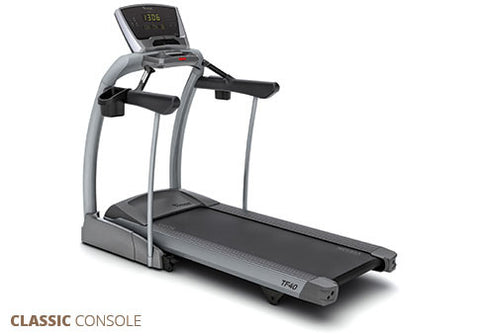
Modern treadmills offer a wide range of console designs. LED and high-contrast displays are durable and easy to read, especially in brightly lit gyms. Features such as quick-access speed and incline buttons, heart-rate monitoring, cooling fans, and Bluetooth connectivity add to the user experience.
Touchscreens, entertainment apps, and internet access are popular, but they also increase the chance of technical issues. Choose these based on your facility’s needs and your maintenance budget.
5. Understand Warranty and Service Support
A treadmill is a long-term investment, and the warranty reveals how confident a manufacturer is in its product. A good commercial treadmill should offer three to five years of coverage for parts and one to two years for labor. Frame warranties often run from ten years to lifetime.
Before purchasing, confirm that the brand provides nationwide service, readily available replacement parts, and support for commercial installations.
6. Comparing Price Ranges and What You Get
Entry commercial treadmills in the two to three thousand dollar range are suitable for low to moderate use. As you move to the three to six thousand dollar range, you get better motors, stronger frames, and more advanced cushioning.
Premium commercial treadmills, which can go beyond six thousand dollars, are built for high-performance environments. They offer longer-lasting components, smoother decks, higher incline options, and the lowest long-term maintenance costs.
7. Features Worth Considering in 2025
More gyms are looking for treadmills with smart maintenance alerts, energy-efficient motors, and compatibility with heart-rate wearables. Auto lubrication systems and reversible decks help reduce service calls. Safety features such as low step-up height and extended handrails are ideal for rehab centers and senior fitness facilities.
8. Mistakes to Avoid When Selecting a Treadmill
Many gym owners focus on price instead of usage needs. Choosing a residential treadmill for a commercial setting leads to faster breakdowns and voided warranties. Others forget to check doorway measurements or overlook electrical requirements. A dedicated 20-amp circuit is required for most commercial treadmills.

9. Recommendations Based on Gym Type
Commercial gyms benefit most from mid to high-tier commercial treadmills with motors above 4.0 CHP.
Boutique studios often choose machines with quick speed and incline changes to support HIIT training.
Hotels and apartment gyms can rely on light commercial models that emphasize durability and simplicity.
Rehabilitation and senior facilities should prioritize treadmills with gentle deck cushioning and lower step-up heights.
10. Final Steps Before Making Your Purchase
Measure your available space, confirm the electrical setup, compare warranties, and review maintenance requirements. It also helps to discuss delivery logistics, especially if the treadmill must navigate narrow hallways or staircases.
Finally, purchasing from a reputable supplier ensures you get proper installation, reliable support, and access to commercial pricing.